Founder & Owner
Judith Frauman
Judith brings many years of expertise in data analysis. She believes in the power of melding data, statistics, and visualization to assist in decision-making, influencing policy, and communicating purpose.
Education
- GIS Certification, Portland Community College
- MSc in Environmental Technology, Imperial College London
- BS in Mechanical Engineering, University of Massachusetts, Amherst
Background
A former engineer (born in San Francisco), Judith takes the experience and discipline gained from over 25 years in the manufacturing sector into the realm of Geographic Information Systems (GIS). Having firsthand experience on the implications of data quality on real life outcomes, every GIS workflow analysis undertaken is built on a foundation of credible data. In addition, her extensive work with domestic and international suppliers honed her skills for developing clear procedures and easy to use templates.
Formally trained and experienced in root cause analysis and continuous improvement methods, she approaches every project with discipline.
Details of JS Frauman's education, experience, and skills can be found on LinkedIn.

Reach Out
Contact info@geospatialoe.space to set up a free 30 minute consultation to discuss your needs.
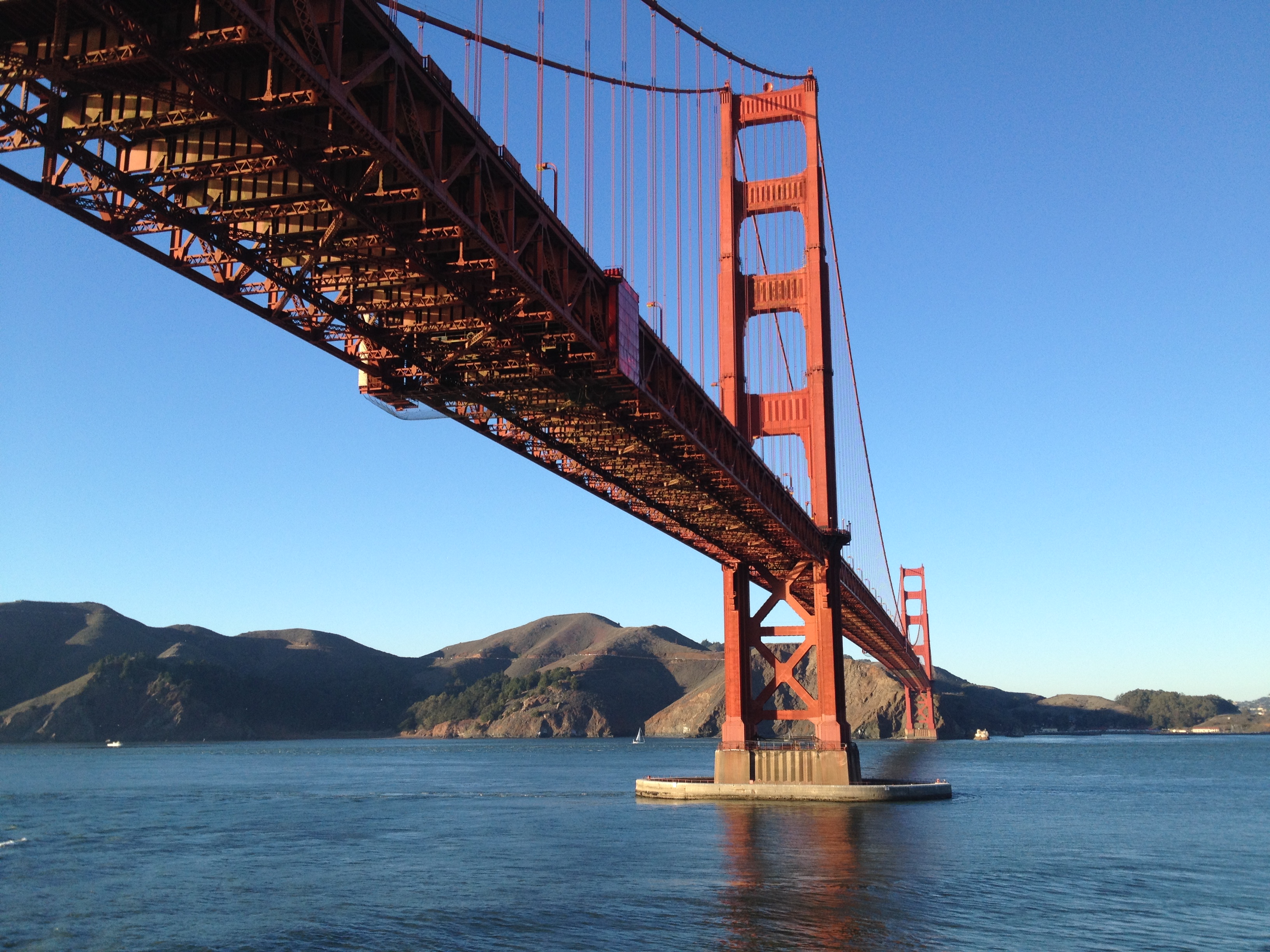
Golden Gate Bridge, San Francisco. Image Credit: J. Frauman
Our Business
Our Location
Geospatial OE is located in the Pacific Northwest. This 1890 map of Portland, Oregon beautifully illustrates the history of map making. Often, these "bird's eye view" maps were derived from hot air balloons.
Our Mission
Helping clients navigate solutions to challenges no matter their scale or where they are.
Geospatial OE provides GIS services to organizations without devoted GIS personnel and to companies that may need additional support to help their GIS employees meet their deadlines when the workload becomes too large. Geospatial analysis and cartography are the primary skills offered. Although all GIS projects are welcome, those having an environmental objective such as impact of climate change, biodiversity, and sustainability are the primary focus of Geospatial OE.
Our Approach
- Listen to clients' needs, get clarity on their goals, ensure there is mutual understanding
- Obtain datasets from credible sources, clean the data, prepare for mapping
- Untangle complexity into insight
- Provide compelling visualizations
- Strengthen client confidence in decision-making, advocacy, communication
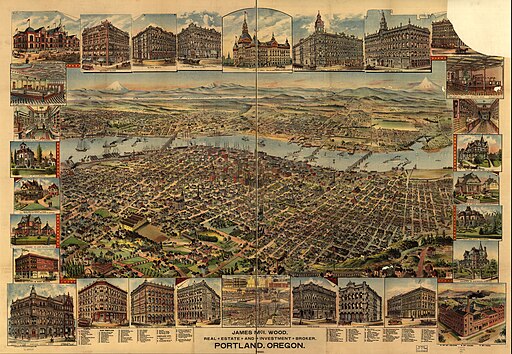
Portland, Oregon 1890 Perspective Birds-eye-view Map. Image credit: Library of Congress, Geography and Map Division
The Website Name
What is the Meaning of "OE" in Geospatial OE?
“OE” stands for overview effect, a term author Frank White coined in 1987 after conducting numerous interviews with astronauts. Many of them shared a common experience when viewing Earth from space - a profound shift in perspective, where borders and conflicts dissolved, and our planet emerged as a single, fragile entity.
Seeing Earth floating in the black void of outer space, protected by only a thin veil of atmosphere, many astronauts spoke of a newfound connection to our planet and every living thing on it. With that came a clarity of the responsibility we all share to take better care of this "Blue Marble" we call home.
For more information about the overview effect, read a NASA interview with Frank White, Overview Effect.
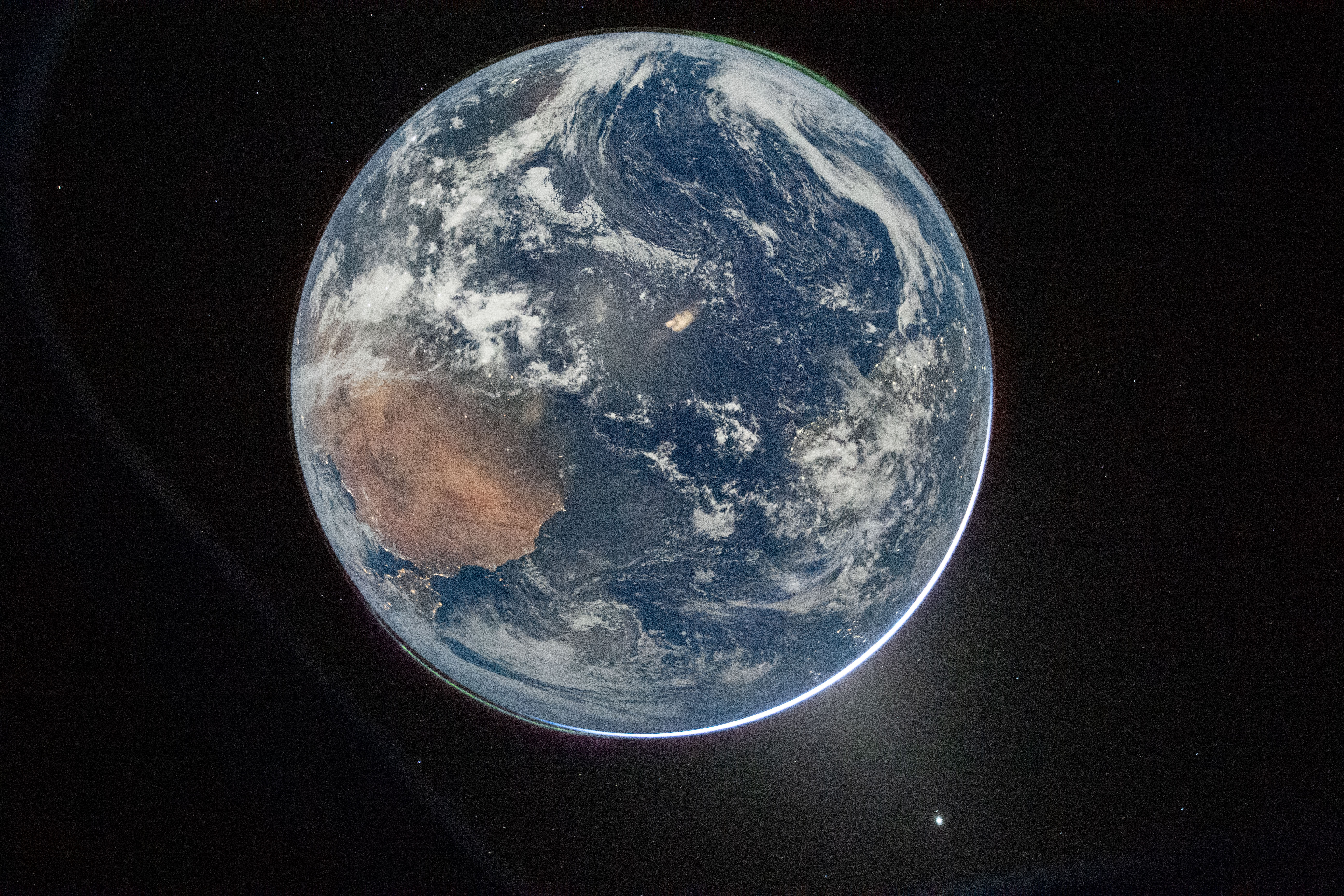
Earth From the Perspective of Artemis II . Image credit: NASA.